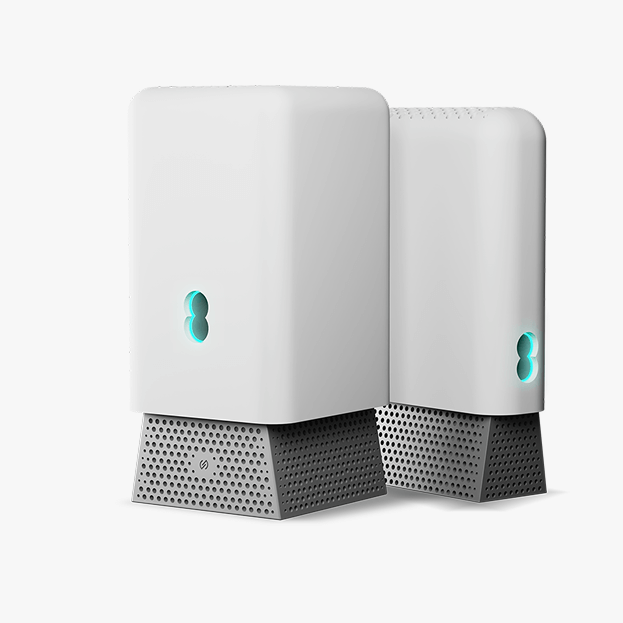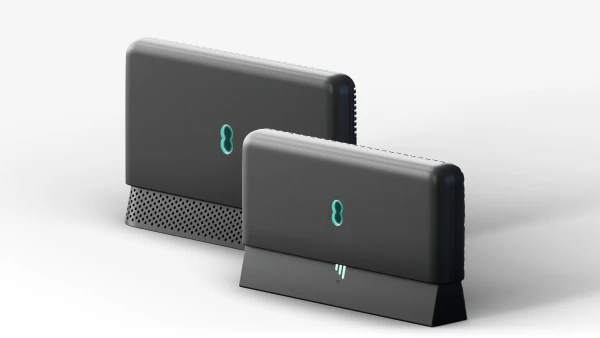
- WiFi 7 enabled Smart Hub 7 Plus router
- real-time protection from dodgy websites
- pause and manage WiFi in the EE app
- AI-driven WiFi monitoring and fixing

EE BROADBAND DEALS
Same price faster speeds.
loading
loading
loading

Why choose EE Broadband?
Up to £300 credited to your account
Switch from another provider, and if you leave them early, we’ll credit up to £300 towards your early leaving fees to your EE account.
Award-winning broadband
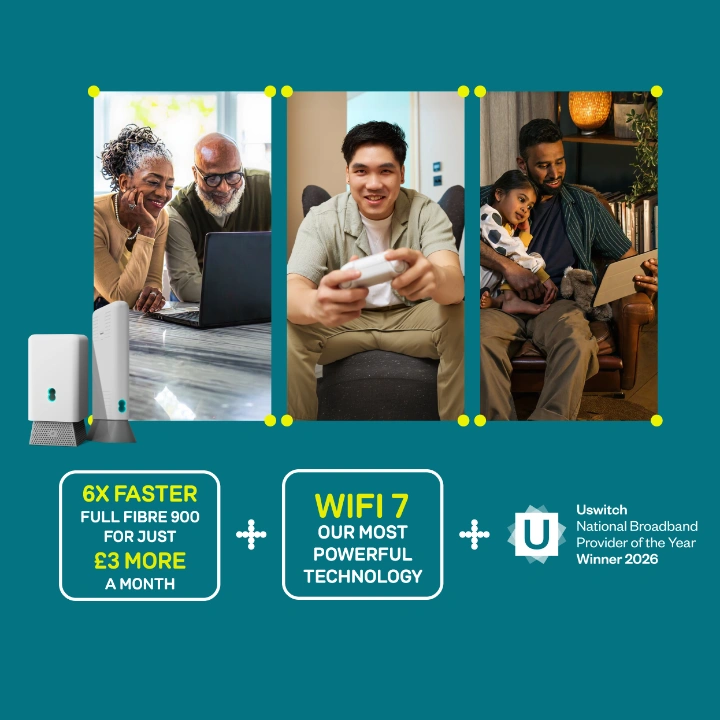
We’ve been voted Uswitch National Broadband Provider of the Year 2026, for delivering a premium connectivity experience. Voted for by real customers.
Uninterrupted reach
A seamless network around your home, from the living room to the loft, giving you a stronger WiFi signal in hard-to-reach places.
EE Broadband deals
We’ve got speeds to suit every household. Here are just some of our broadband deals. Enter your postcode to find out what speeds are available in your area.
All plans shown use or
Switching just got easier
Choose between 12 and 24 month contracts.
Hassle-free switching
If you’re switching from another provider, we’ll let them know you’re leaving, so you don’t have to. We’ll credit up to £300 towards your early leaving fees to your EE account.
Get online
Choose your installation date. We’ll get you up and running with your new EE hub as soon as we can.
there’s an EE one for everyone
Build your perfect mix of broadband, mobile and TV with EE - Uswitch’s Broadband Provider of the Year and the UK’s best mobile network.
Get an exclusive monthly saving of up to £20 when you add an unlimited data SIM to your broadband plan. Make further savings on each additional SIM you add.
All new SIM-only deals are on monthly rolling contracts or 24 month plans.
Get access to EE One Up, with must-have tickets, tech, treats and so much more landing weekly.
Learn about EE Broadband

Full Fibre
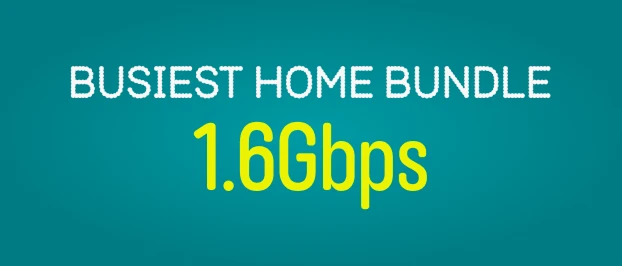
With EE Full Fibre get blistering speeds of up to 1.6Gbps and connect up to 190 devices at once.

About WiFi 7
EE’s Smart Hub 7 Pro with WiFi 7 is our most powerful broadband technology.
Boost your broadband with our extras
Frequently asked questions
What is broadband?
Broadband is a term that’s used for a high-speed internet connection; a method of receiving and sending data. Broadband is available through multiple technology types, including cable, fibre optics, Wireless Fidelity (WiFi) and DSL – all of which enable you to get connected on multiple devices. Home broadband is the internet connection cabled to your home and converted into WiFi through a wireless router.
What is the difference between broadband and WiFi?
There are two ways you can get broadband – fixed (DSL or fibre) or mobile (4G or 5G). Routers for both types of broadband then broadcast WiFi to connect a variety of devices to the internet wirelessly. So broadband is the connection given to you by your provider and WiFi is the connection between the devices in your home.
What equipment is needed for broadband?
The one thing you need for any home broadband is a router or a modem and the necessary cables to connect it, which you’ll get with your broadband plan. An engineer appointment may be necessary if you’re switching providers, connecting to full fibre broadband for the first time, or if your property has never had broadband before.
Broadband is a term that’s used for a high-speed internet connection; a method of receiving and sending data. Broadband is available through multiple technology types, including cable, fibre optics, Wireless Fidelity (WiFi) and DSL – all of which enable you to get connected on multiple devices. Home broadband is the internet connection cabled to your home and converted into WiFi through a wireless router.
What is the difference between broadband and WiFi?
There are two ways you can get broadband – fixed (DSL or fibre) or mobile (4G or 5G). Routers for both types of broadband then broadcast WiFi to connect a variety of devices to the internet wirelessly. So broadband is the connection given to you by your provider and WiFi is the connection between the devices in your home.
What equipment is needed for broadband?
The one thing you need for any home broadband is a router or a modem and the necessary cables to connect it, which you’ll get with your broadband plan. An engineer appointment may be necessary if you’re switching providers, connecting to full fibre broadband for the first time, or if your property has never had broadband before.
There are a number of factors to think about when looking for a new broadband package. Here are the most important things to think about:
Speed
Often the most important factor in choosing a broadband deal is the speed. Speed dictates how quickly your internet will run as well as how many people can use it. People that like online gaming often need higher speeds.
With speed, there’s a number of questions you may have:
What is my broadband speed?
The speeds on different broadband plans reflect average speeds to your router (not your devices). Your actual broadband speed can be slower or faster due to things like device WiFi capability, your distance from the router, the number of connected devices or even time of day. There are many broadband speed tools online that give a more accurate understanding of your current broadband speed.
What broadband speed do I need?
The broadband speed you need depends on what you want to do online. If you spend little time online and live alone, standard broadband speed of 10 Mbps might be enough. For activities like HD streaming and working from home daily, you need something between 25 and 100 Mbps. Gaming or connecting multiple smart devices to your broadband at the same time needs more bandwidth, so you’d be best with full fibre speeds above 100 Mbps.
What is a good broadband speed?
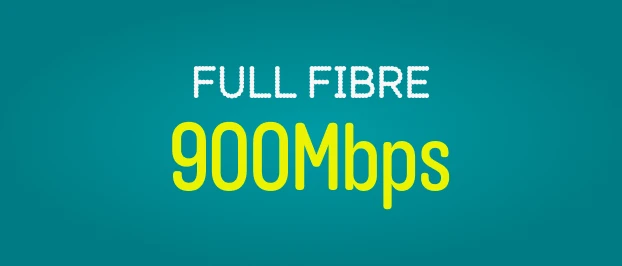
Broadband speed is measured by Megabits per second (‘Mbps’), which refers to the amount of data transferred online. A good speed for standard broadband is above 10 Mbps, though this isn’t enough for HD streaming without buffering or multiple devices connecting at once. Fibre broadband speeds should be above 25 Mbps. Speeds above 100 Mbps are considered very fast. EE Full Fibre broadband gives you speeds up to 900 Mbps – perfect for gamers, smart device enthusiasts and busy households.
What broadband speed can I get?
The type of broadband you can get depends on where you live. Standard broadband is slower because it’s delivered with copper wires, whereas fibre and full fibre broadband use fibre-optic cables that enable faster speeds. Fibre broadband is now available to most of the UK, which means you’re likely to get broadband speeds of at least 25 Mbps. Full fibre, if built in your area, gives you the fastest speeds. If you don’t want or can’t get fixed broadband, 4G or 5G home broadband can get you connected with good speeds through the mobile data network.
Contract length
Broadband contracts are often anything between 12 and 24 months. Our contracts are no different, longer-term deals tend to be cheaper with shorter term deals giving you more flexibility.
Cost
The monthly cost of your broadband is for most people the determining factor in signing up. Therefore, ensuring the cost is right for you and your budget is vital for a good experience. We ensure our prices are competitive with no compromise on service.
Availability
As our partners at BT and Openreach roll out Full Fibre to the entire country, people are being given more options for their broadband package. However, currently not all deals are available to everyone. So our handy postcode checker will be able to give you more information on what broadband deals are available to you.
Usage
What are you planning on using your broadband for? A real heavy user might want to consider a higher speed, a more casual user could consider a cheaper deal with just the right bandwidth for them. Our broadband packages include unlimited downloads, so you’ll never have to worry about additional charges.
Equipment
Considering the router you’ll receive with your broadband is important, not having the best tech can impact your broadband speeds. Thankfully we’ve got you covered; our broadband routers use the very best technology to ensure that your connection is as reliable as our mobile networks.
Customer service
Good customer service can be the difference between a good experience and a great one. Our customer service team, along with our EE app, gives you 24/7 customer service and different ways to engage with us for support.
Speed
Often the most important factor in choosing a broadband deal is the speed. Speed dictates how quickly your internet will run as well as how many people can use it. People that like online gaming often need higher speeds.
With speed, there’s a number of questions you may have:
What is my broadband speed?
The speeds on different broadband plans reflect average speeds to your router (not your devices). Your actual broadband speed can be slower or faster due to things like device WiFi capability, your distance from the router, the number of connected devices or even time of day. There are many broadband speed tools online that give a more accurate understanding of your current broadband speed.
What broadband speed do I need?
The broadband speed you need depends on what you want to do online. If you spend little time online and live alone, standard broadband speed of 10 Mbps might be enough. For activities like HD streaming and working from home daily, you need something between 25 and 100 Mbps. Gaming or connecting multiple smart devices to your broadband at the same time needs more bandwidth, so you’d be best with full fibre speeds above 100 Mbps.
What is a good broadband speed?
Broadband speed is measured by Megabits per second (‘Mbps’), which refers to the amount of data transferred online. A good speed for standard broadband is above 10 Mbps, though this isn’t enough for HD streaming without buffering or multiple devices connecting at once. Fibre broadband speeds should be above 25 Mbps. Speeds above 100 Mbps are considered very fast. EE Full Fibre broadband gives you speeds up to 900 Mbps – perfect for gamers, smart device enthusiasts and busy households.
What broadband speed can I get?
The type of broadband you can get depends on where you live. Standard broadband is slower because it’s delivered with copper wires, whereas fibre and full fibre broadband use fibre-optic cables that enable faster speeds. Fibre broadband is now available to most of the UK, which means you’re likely to get broadband speeds of at least 25 Mbps. Full fibre, if built in your area, gives you the fastest speeds. If you don’t want or can’t get fixed broadband, 4G or 5G home broadband can get you connected with good speeds through the mobile data network.
Contract length
Broadband contracts are often anything between 12 and 24 months. Our contracts are no different, longer-term deals tend to be cheaper with shorter term deals giving you more flexibility.
Cost
The monthly cost of your broadband is for most people the determining factor in signing up. Therefore, ensuring the cost is right for you and your budget is vital for a good experience. We ensure our prices are competitive with no compromise on service.
Availability
As our partners at BT and Openreach roll out Full Fibre to the entire country, people are being given more options for their broadband package. However, currently not all deals are available to everyone. So our handy postcode checker will be able to give you more information on what broadband deals are available to you.
Usage
What are you planning on using your broadband for? A real heavy user might want to consider a higher speed, a more casual user could consider a cheaper deal with just the right bandwidth for them. Our broadband packages include unlimited downloads, so you’ll never have to worry about additional charges.
Equipment
Considering the router you’ll receive with your broadband is important, not having the best tech can impact your broadband speeds. Thankfully we’ve got you covered; our broadband routers use the very best technology to ensure that your connection is as reliable as our mobile networks.
Customer service
Good customer service can be the difference between a good experience and a great one. Our customer service team, along with our EE app, gives you 24/7 customer service and different ways to engage with us for support.
Broadband is available in varying forms with different speeds possible, the main types we offer are:
Full fibre broadband
The fastest and most reliable broadband we offer with speeds of up to 1.6Gbps possible our full fibre connections use fibre optic cables connecting directly to your home to maximise speeds and reliability.
Fibre broadband
Also known as fibre to the cabinet. Fibre broadband is faster than standard broadband. This is because the fibre optic cabling only connects to the street cabinet. Fibre broadband is usually cheaper and more readily available but is slower than full fibre.
Mobile broadband
This type of broadband uses our mobile network to give you an internet connection wherever you have a mobile signal. It can also be used as a ‘backup’ for your main broadband connection ensuring you’re never without broadband.
Outside of what EE offers you can also get:
ADSL broadband
Otherwise known as ‘Standard Broadband’ this is internet delivered through the old copper wiring. Often the cheapest broadband but with the slowest speeds.
Satellite broadband
This is internet delivered by satellite and is an option if you’re in a particularly difficult place. This is often more expensive than other forms of broadband and usually has data limits.
Cable broadband
Very much like our connection but instead of using fibre optics it uses a coaxial cable and isn’t as widely available.
Full fibre broadband
The fastest and most reliable broadband we offer with speeds of up to 1.6Gbps possible our full fibre connections use fibre optic cables connecting directly to your home to maximise speeds and reliability.
Fibre broadband
Also known as fibre to the cabinet. Fibre broadband is faster than standard broadband. This is because the fibre optic cabling only connects to the street cabinet. Fibre broadband is usually cheaper and more readily available but is slower than full fibre.
Mobile broadband
This type of broadband uses our mobile network to give you an internet connection wherever you have a mobile signal. It can also be used as a ‘backup’ for your main broadband connection ensuring you’re never without broadband.
Outside of what EE offers you can also get:
ADSL broadband
Otherwise known as ‘Standard Broadband’ this is internet delivered through the old copper wiring. Often the cheapest broadband but with the slowest speeds.
Satellite broadband
This is internet delivered by satellite and is an option if you’re in a particularly difficult place. This is often more expensive than other forms of broadband and usually has data limits.
Cable broadband
Very much like our connection but instead of using fibre optics it uses a coaxial cable and isn’t as widely available.
There are several speed testers available on the web, some can be done directly from the search results. It’s best to test on a few from different locations in your house to get a better understanding of your average speeds. For more information of testing with EE check out our service checker.
Most of our packages don’t include any upfront costs. Some of our packages include a one-off cost or a broadband activation fee this is normally added to your first monthly bill.
EE was named the National Broadband Provider of the Year at the Uswitch Telecoms Awards 2026.
We’re updating the names of some of our hardware, plans and features. You can find out more here.