Top Picks
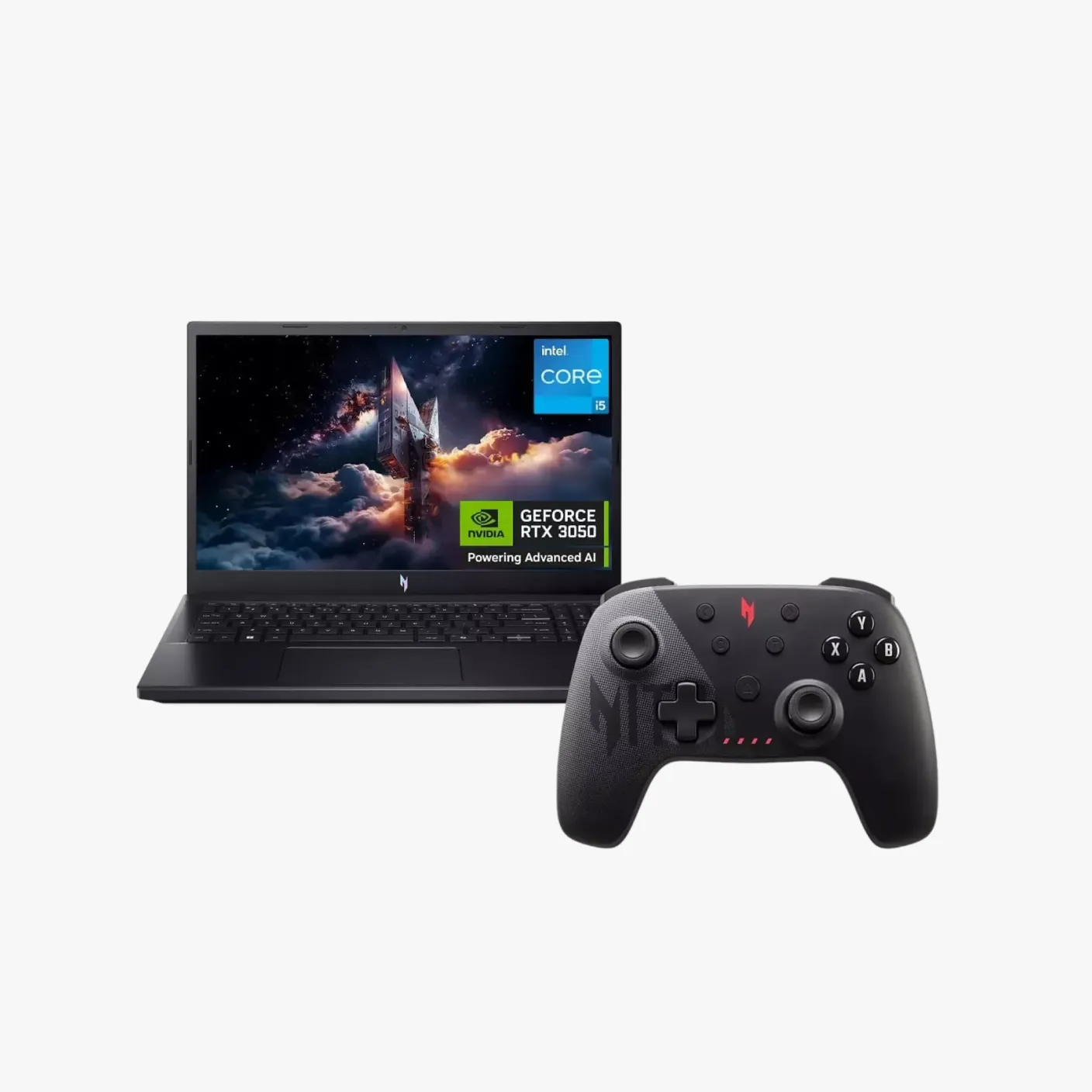
This 15.6” Full HD gaming laptop packs an Intel Core i5-13420H processor, NVIDIA GeForce RTX™ 3050 GPU, 8GB RAM and 512GB SSD for smooth, responsive play. With a 165Hz display, WiFi 6 and an Acer Nitro controller, every session is fast, immersive and precise.
From
a month
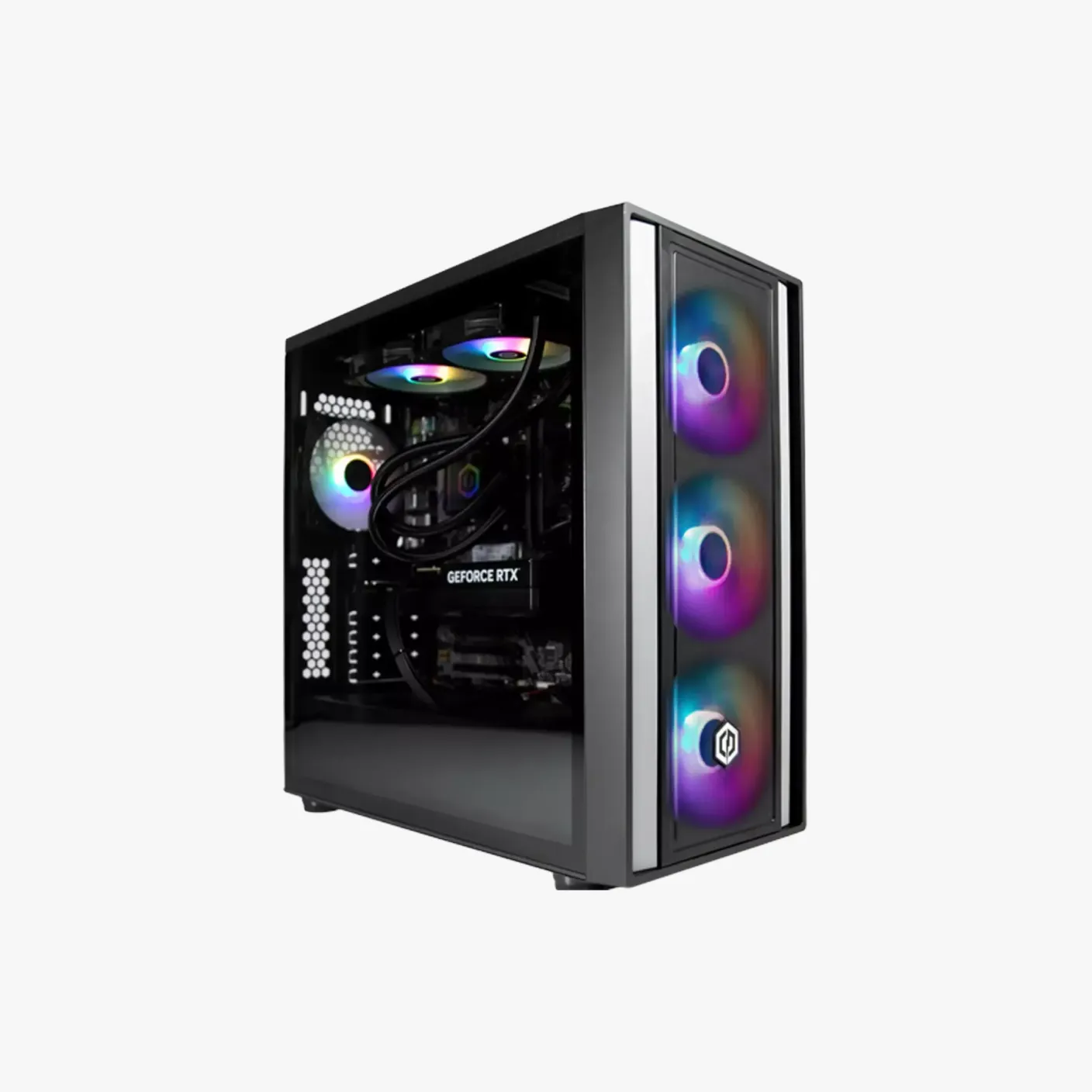
Step into full-throttle gaming with the CyberPowerPC 9800X3D. Powered by an AMD Ryzen™ 7 9800X3D, NVIDIA GeForce RTX™ 5090 GPU, 32GB GDDR7 memory and 2TB SSD, this tower delivers ultra-smooth visuals and lightning-fast performance.
From
a month
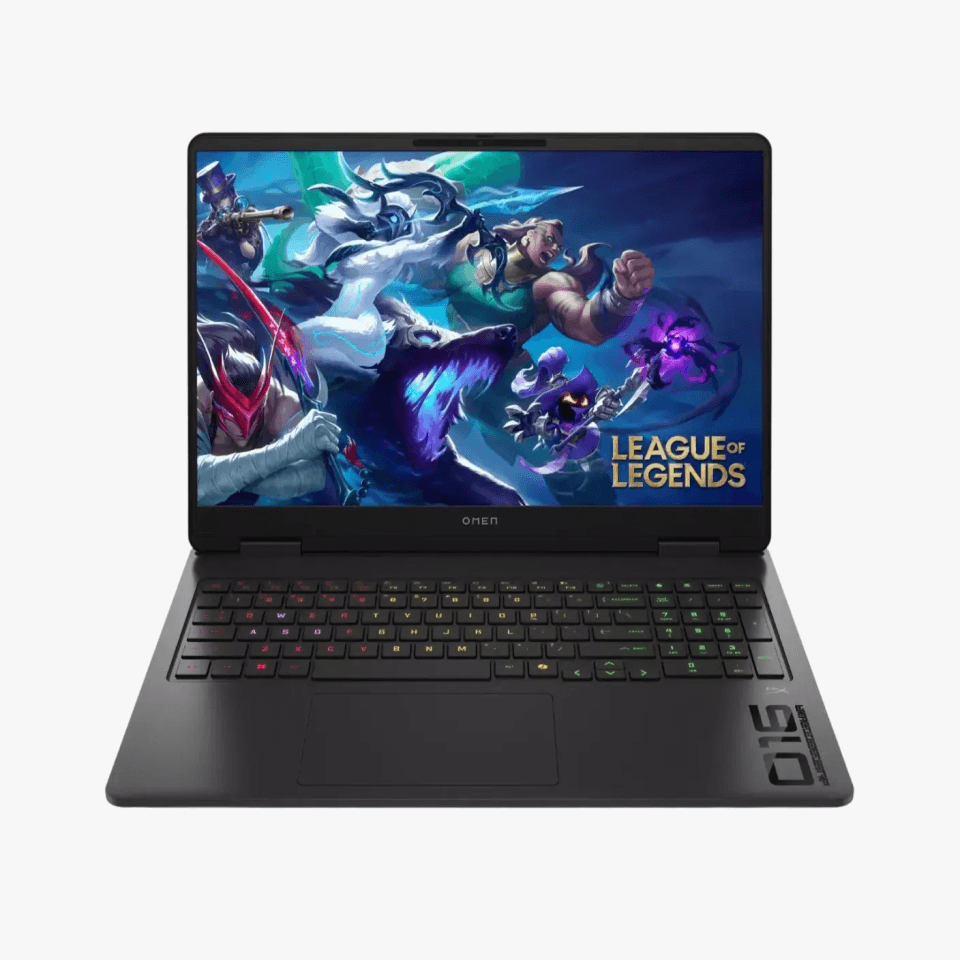
Dominate every game with this 17” gaming laptop. With the AMD Ryzen™ 7 processor, NVIDIA GeForce RTX™ 5060 GPU, 16GB RAM and 1TB SSD, it delivers lightning-fast performance, stunning visuals and immersive audio.
From
a month
What is console gaming?
Console gaming is designed for simplicity and convenience. You connect the console to your TV (or play handheld on supported systems), download or insert your game and start playing. No technical set up required. Because the hardware is fixed, developers optimise games specifically for that system. For a deeper look at how consoles work and which models are worth considering, see our guide to Best Gaming Consoles to Buy in 2026.
Key features of console gaming
• easy set-up with a simple plug-and-play design
• consistent performance as every console has the same hardware, so games are built to run smoothly on it
• designed for sofa gaming, split screen, solo adventures and both local and online multiplayer
• some titles are only available on certain consoles so you can enjoy exclusive games
• online subscriptions are common and can offer access to massive game libraries for a monthly fee
Console gaming is best for casual gamers, families and players who want hassle-free gaming.
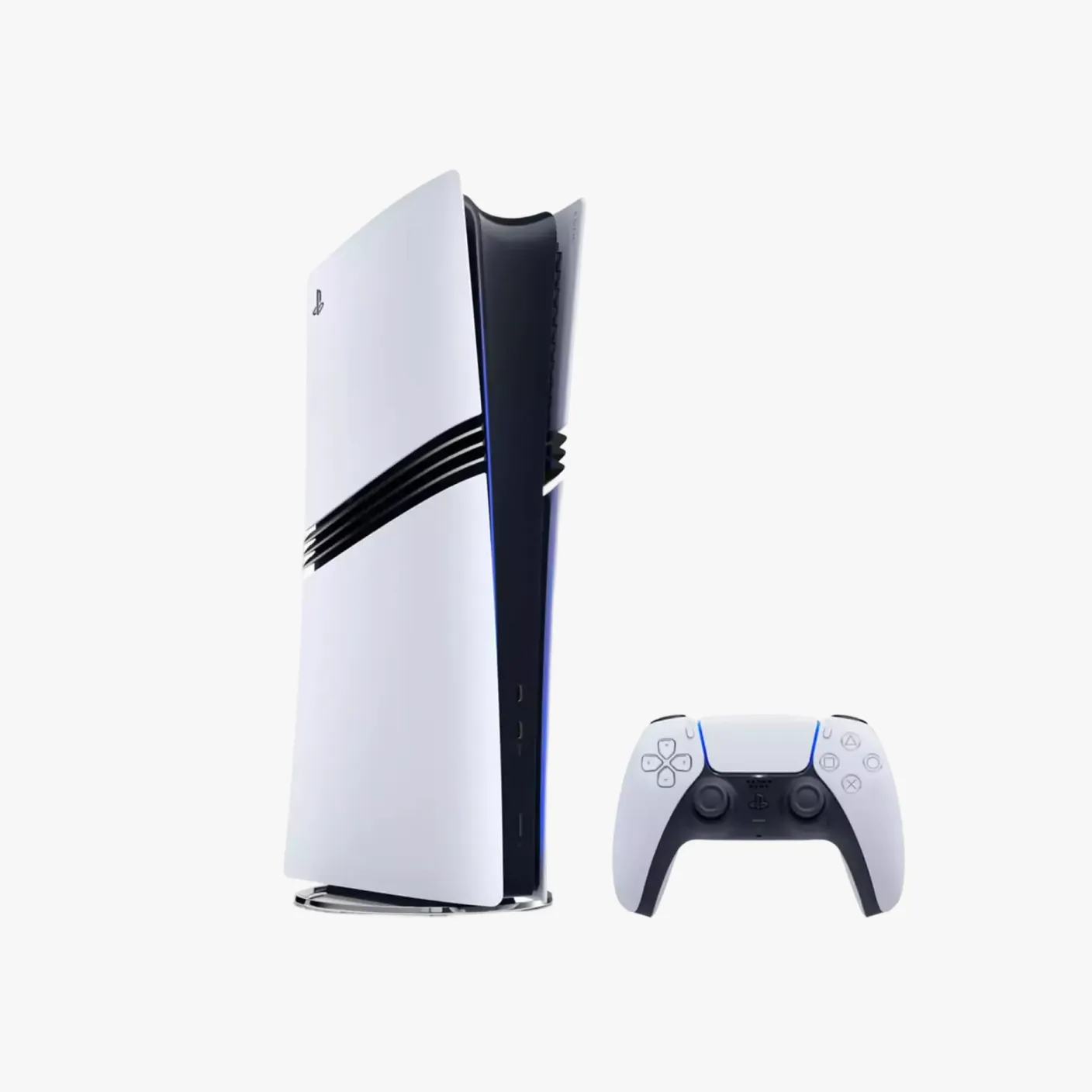
Experience next-gen gaming with the PlayStation®5 Pro 24-month bundle. Enjoy 4K visuals, ray-traced graphics and ultra-smooth frame rates with 2TB SSD storage. The all-digital console bundle includes PS Plus Premium, a £50 EE GameCard and 24-month EE Data Passes.
From
a month
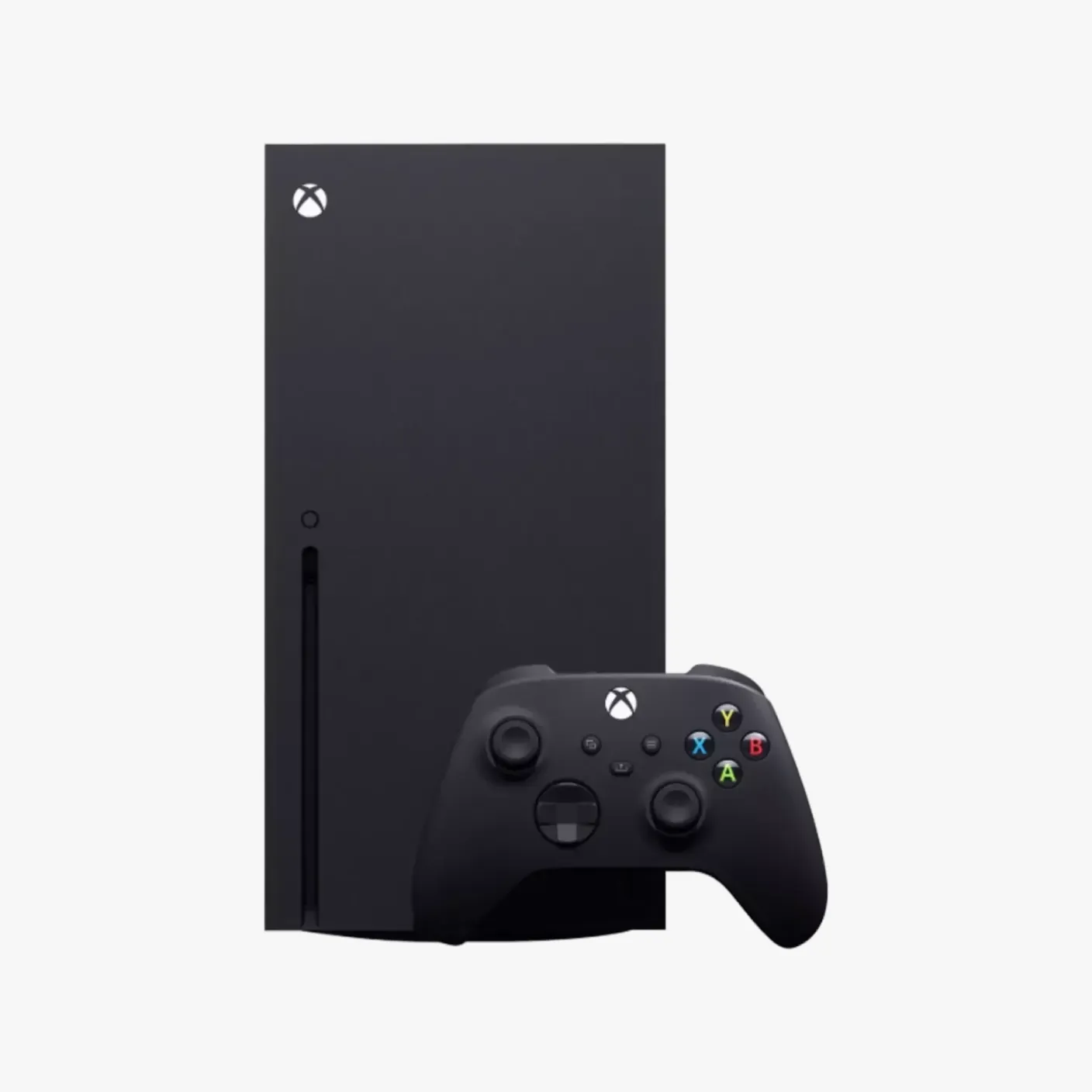
Unlock next-level gaming with the Xbox Series X 24-month bundle. This powerhouse delivers true 4K visuals at 120FPS, ultra-low latency and fast load times with a 1TB SSD. The bundle includes a £160 EE GameCard for 6 months of Game Pass Ultimate and 24-month EE Gamer’s and Video Data Passes.
From
a month
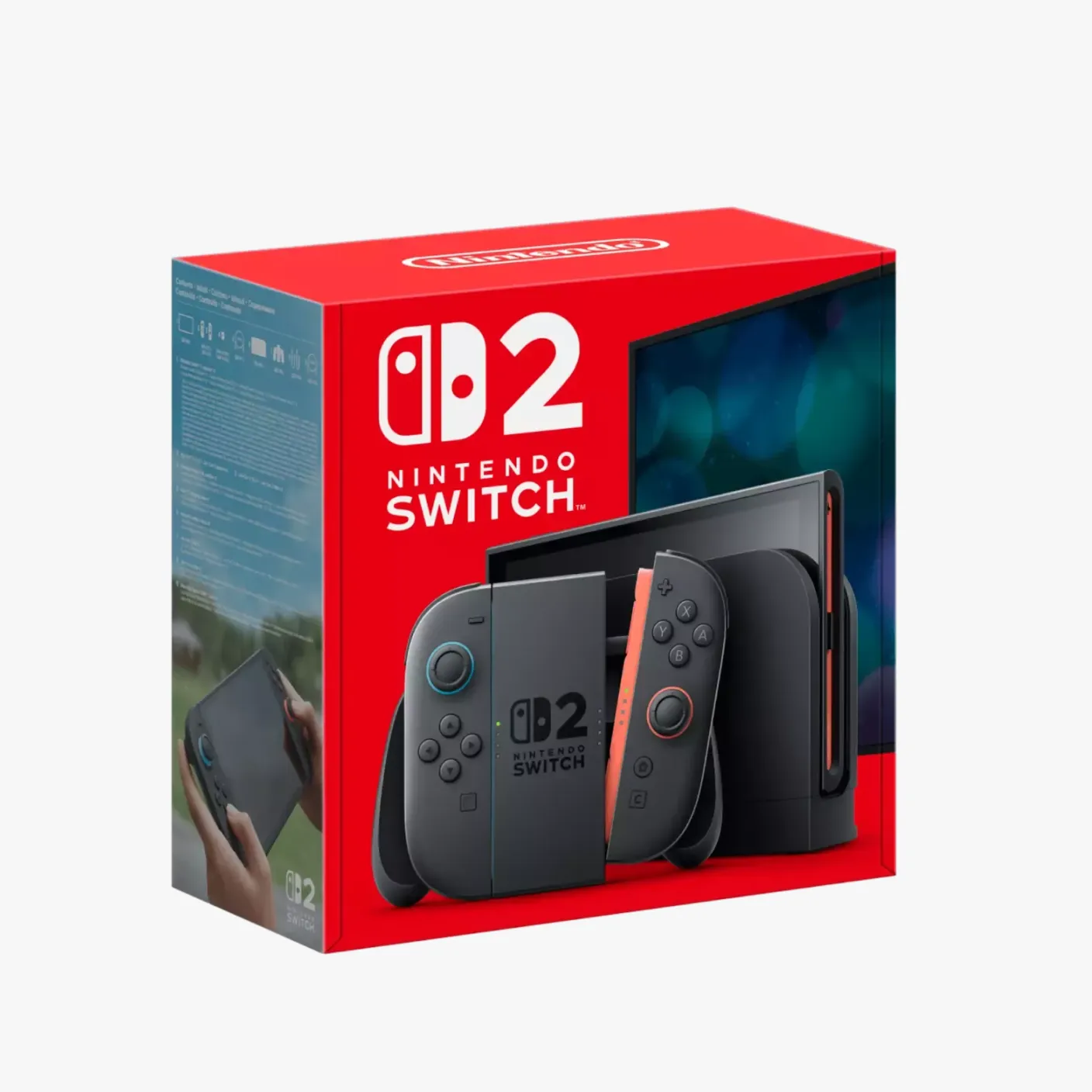
Play on a vibrant 7.9” 1080p screen or connect to your TV for up to 4K HDR at 120FPS. The new Joy-Con™ 2 controllers offer flexible play, GameChat keeps you connected and 256GB storage plus microSD support lets you keep all your favourite games ready to play.
From
a month
PC Gaming versus Console Gaming. Which Should You Choose?
Performance
PC gaming can offer higher frame rates (120 – 240 FPS), advanced graphic options like dedicated ray tracing and upscaling technologies (DLSS/FSR) and precise control with mouse and key for competitive play. Choose a gaming laptop for powerful performance on the move or a gaming desktop for a fully customisable build that’s tailored to your style.
Console gaming can offer 4K performance out of the box (depending on your TV), smooth and stable frame rates of 30-60 FPS (with some games reaching 120 FPS), titles optimised for the system’s hardware and easy performance or quality modes without any manual set up.
The difference?
PC gaming offers the ultimate performance potential while consoles provide a reliable, fully optimised experience that works right out of the box.
Ease of use
PC gaming involves some set up. You may need to install drivers, tweak graphics and controls, and occasionally troubleshoot issues. It also lets you add mods and access community-made content for a more personalised experience.
Console gaming offers a plug in, sign in and play experience with straightforward interface and minimal technical management.
The difference?
Console wins for simplicity while PCs are more complicated but reward players who want control and customisation.
Lifestyle
PC gaming is ideal for desk set-ups, supports multi-monitor use and doubles as a powerful station for work or creative projects. With a gaming laptop, you’ll be fully mobile to enjoy high-performance gaming on the go, stream content and tackle demanding tasks anywhere.
Console gaming is designed for the living room and is great for easy local multiplayer. It also offers handheld and hybrid options, such as the Nintendo Switch, for gaming on the go.
The difference?
PC suits dedicated set-ups and multitaskers while consoles work best for shared spaces.
Cost
PC gaming adapts with you. With a gaming desktop, you can upgrade your hardware overtime and benefit from massive seasonal sales on gaming tech. Upfront costs are higher though, as high-end components like GPUs, processors (CPUs) and RAM can be expensive.
Console gaming offers a lower entry price than a high-end gaming PC. You can also save on bundles and subscription libraries like PlayStation Plus, Game Pass and Nintendo Switch Online. However, online multiplayer usually requires a paid subscription and you can’t upgrade the hardware to customise your system.
The difference?
Consoles are cheaper to start with, while PCs offer better long-term flexibility if you plan to upgrade gradually.
Longevity
With PC gaming, you can upgrade individual components instead of replacing the entire system. These incremental improvements help future-proof your set-up so you can enjoy better performance and graphics for longer.
Console gaming provides a 6–8 year lifespan with consistent performance, requiring no upgrades or concern about system specs.
The difference?
PCs evolve with you while consoles refresh by generation.
So which should you choose?
Choose PC Gaming if you:
• want top-tier graphics and frame rates
• play competitive multiplayer
• enjoy custom builds and tweaking settings
Choose Console Gaming if you:
• want a simple, fast set-up
• play in the living room
• share gaming with friends or family
There’s no single winner in the PC gaming versus console gaming debate, just the set-up that fits your style. Whether you’re chasing performance with a powerful gaming PC or keeping things simple with console gaming in the living room, EE has everything you need to get started.
Ready to play? Head to our Gaming Hub to explore the latest consoles, gaming PCs, laptops and accessories to find your perfect way to game.